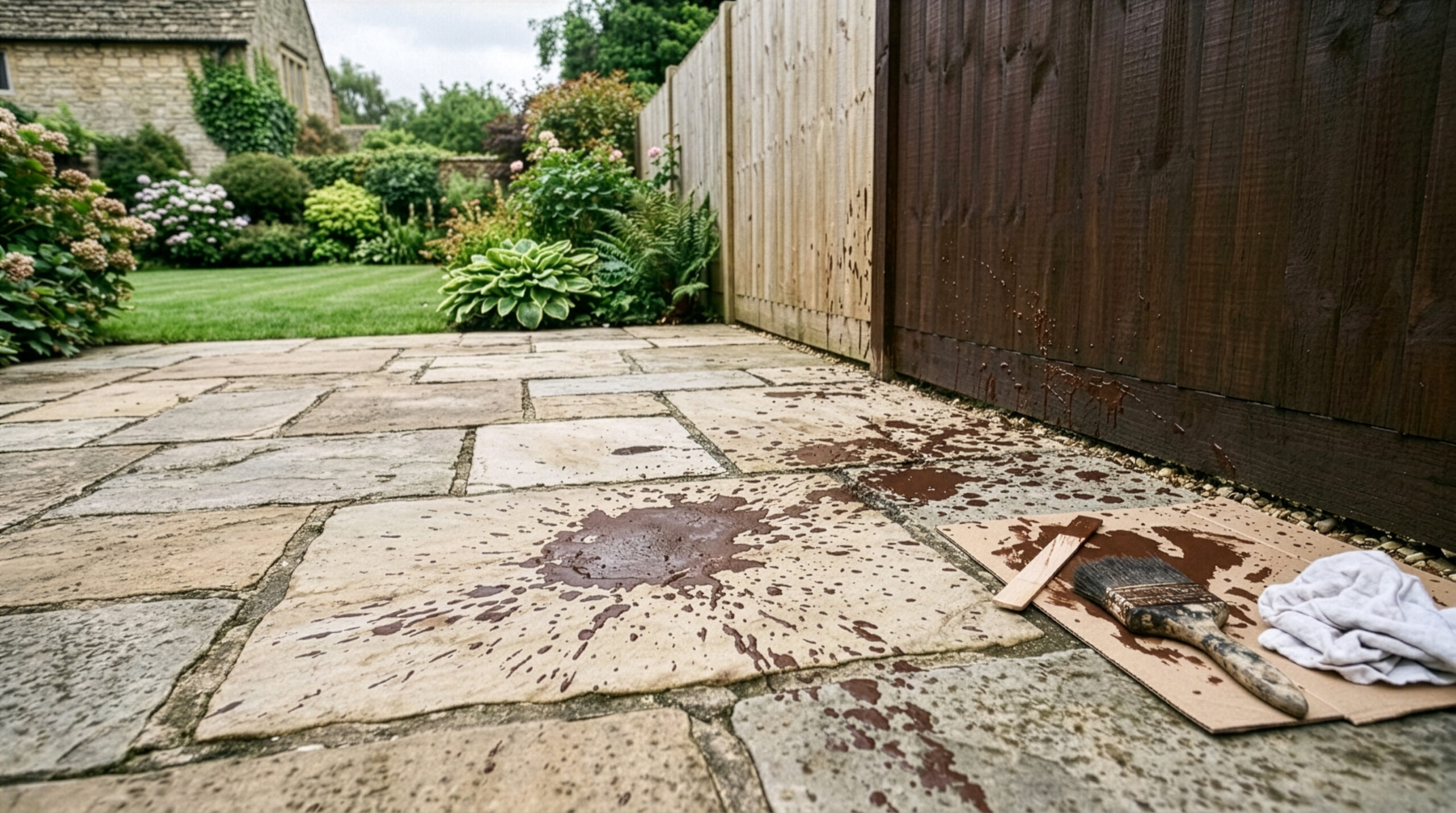
Many garden landscaping areas are enclosed by wood fencing which are treated every few years with a Fence Paint e.g. Branded: Cuprinol, Ronseal, Johnstone’s etc or Own Brand: Wickes, B&Q etc.
What Fence Paints Are Made Of
These Fence Paints are all formulated to a similar way:
- Water based, where water is the carrier and evaporates after application. It is present in a very high %, often exceeding 80%
- An Acrylic/Vinyl emulsion resin binder, at low content: 5-8%, in which the pigment is dispersed and finally bound into the wood surface
- Pigment is often earth type (browns, tan, ochre) tints but also green and black at varying amounts: 2-3%
- There are other additives: acticides, coalescing agent, waxes etc to enhance performance, but also tend to add cost
Why Fence Paint Ends Up on Natural Stone
Fence Paints are always low in viscosity allowing easy application by brush or sprayer, but can easily drip or overspray onto adjacent surfaces. Hence, there is a need to cover exposed natural stone patios, walls etc with appropriate dust sheets to ensure no contact is made to these porous surfaces.
How to Remove Fence Stain Spills from Natural Stone
In the event of spills, overspray or drips onto natural stone/concrete/terracotta surfaces then the following procedures are required to remove them:
- First wash the surfaces with water, either a hose pipe or with care Powerwash
- The binder contains a coalescing agent to help film forming and if the washing can be done before coalescence has completed then the stains can be rinsed away.
- The use of a firm bristle yard broom/brush in all these processes is advised to help agitate the binder and pigment in the stains
- Should this fail then use a RPB Stone Stripper to effectively soften and weaken the binder. Apply the Stone Stripper in accordance to the products TDS & instructions
- ALWAYS carry out a test first to ascertain both the appropriate dwell time and the suitability of the product to remove the stain.
- Agitate at the end of the dwell time and at the same time rinse away thoroughly with water.
- Once the appropriate dwell time and performance has been shown to work repeat using the exact same way over all of the affected areas.
- Sometimes residual pigment remains within the surface of the stone, but the binder will have been weakened and washed away. So agitation with either the yard broom/brush or even a mechanical wire brush will remove these with no damage to the stone. If the pigments have been allowed to soak in too deep, a strong power wash will be needed, otherwise it will be hard to pull the pigments out from the pores of the stone.
Protecting the Stone Once It Is Clean
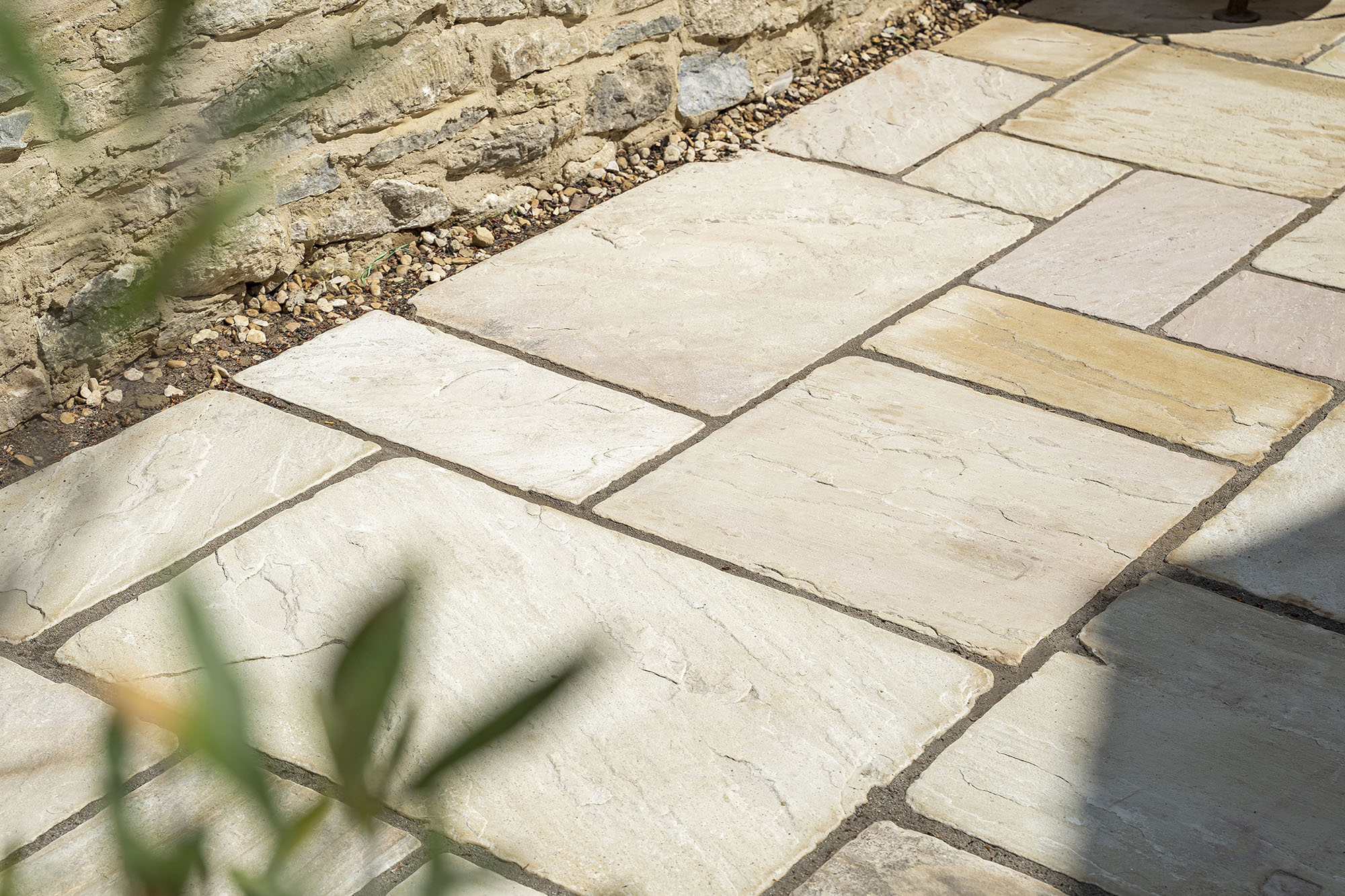
Once cleaned it is always recommended that the stones surfaces are protected by applying RPB Patio Sealer against general dirt and grime.

Stone Stripper
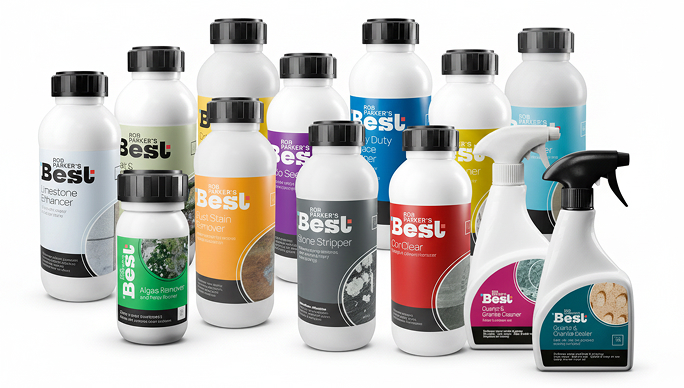
Powerful coating remover safe to use on natural stone, concrete, tile, masonry, grout, wood.
1 litre: £39.50 + VAT
5 litres: £175.00 + VAT
VAT is included in this price

Patio Sealer
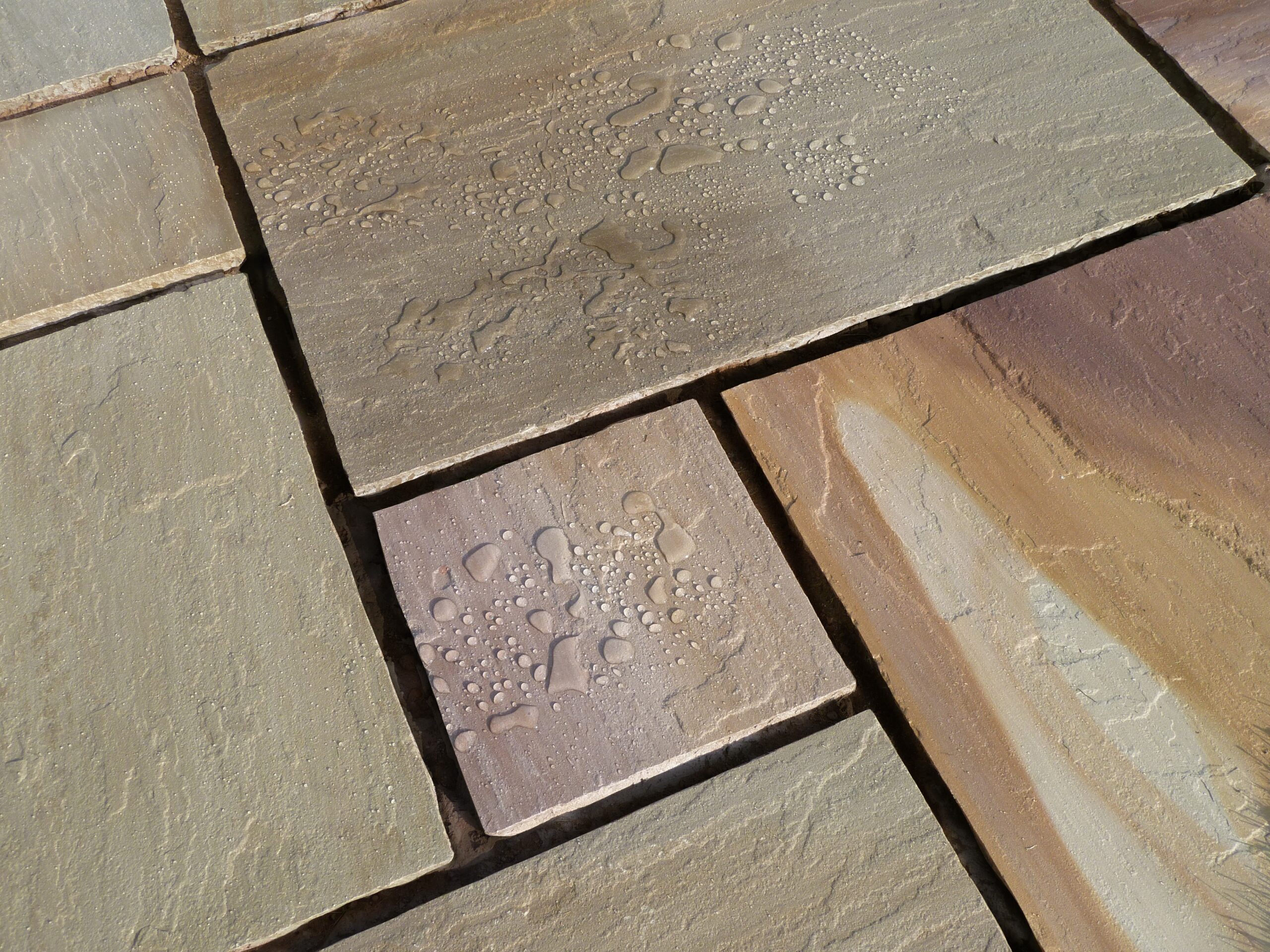
Protects any porous or permeable surface by providing a protective repellent layer to stop staining from water or oil based dirt and other grime.
1 litre: £38.00 + VAT
5 litre: £175 + VAT
VAT is included in this price

Patio Cleaner
The premier cleaner for outdoor stone and concrete surfaces.
1 litre: £18.50 + VAT
5 litre: £79.00 + VAT
VAT is included in this price
Further Reading from Rob Parker’s Best
- 5 Common Natural Stone Stains and How to Remove Them
The stains we are asked about most often, and the treatment for each one.
- How to Remove Grout Stains on Paving
Another spill that happens during works – and how to lift it safely.
- Why Patio Sealer Is So Important
How sealing protects porous stone against dirt, grime and future spills.
- Product Finder
Answer a few questions and we will point you to the right product for your stone.
Not sure the stain will come out?
Send us a photo of the spill and tell us what the stone is, and our team will tell you honestly whether Stone Stripper is the right answer, what dwell time to start with, and whether the surface should be sealed afterwards. Over 20 years of stone experience behind every answer.
Email: sales@stoneworld.co.uk
Phone: 01844 279 274